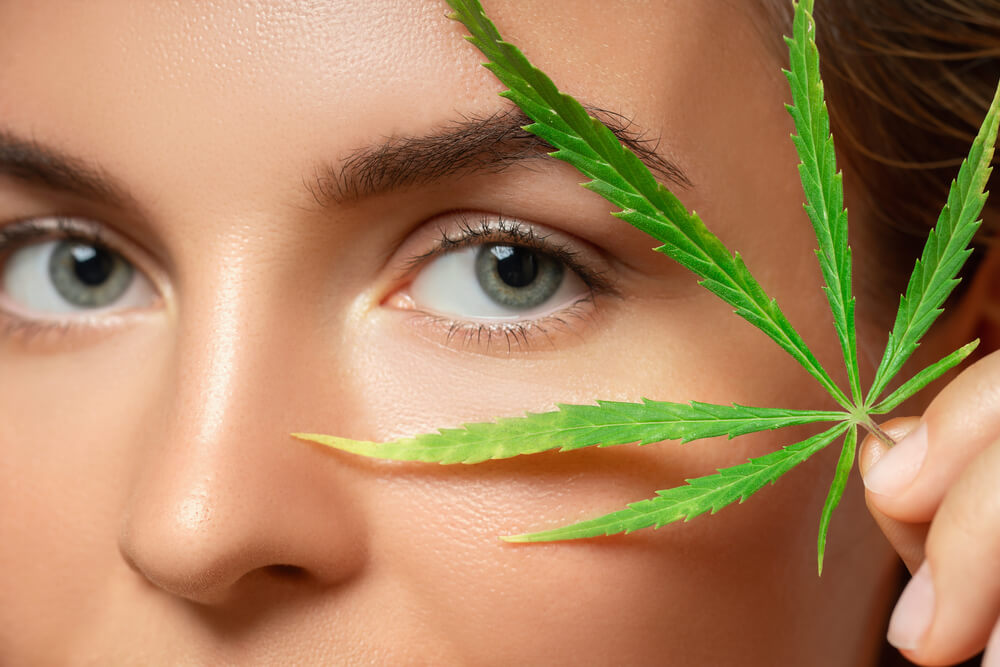
Finding the right skincare can be a real challenge for sensitive skin. One emerging solution is Topical CBD, which are gaining attention for their potential benefits in skincare.
Our blog will help you evaluate the safety of these products for those with sensitive skin needs. Discover how CBD might be your skin’s new best friend.
Key Takeaways
- Always check the CBD source and how they make it. Use products made from high-quality hemp and clean methods like CO2 or ethanol extraction.
- Make sure the product has gone through third-party lab testing. This proves it’s good quality and safe to use on your skin.
- Read the labels for any extra ingredients added, things that could cause allergies, and how strong the product is. This helps ensure the topical won’t bother sensitive skin.
- Do a patch test before using a lot of the product. Put a small amount on your skin first to see if you are allergic.
- Talk to a dermatologist before trying CBD topicals. They can advise based on your skin type and needs and ensure you choose safely.
Potential Benefits of CBD Topicals for Sensitive Skin
CBD topicals can alleviate skin sensitivity and inflammation and improve skin permeability. They might offer a natural alternative for individuals with sensitive skin concerns.
Skin sensitivity
Sensitive skin reacts quickly to specific products, making topicals a concern for many. CBD topicals have emerged as a promising option for soothing such sensitivities. These products are designed to interact with the ECS receptors in the skin, potentially reducing inflammation and addressing discomfort directly where it’s applied.
Users with sensitive skin need to choose their CBD skin care products carefully. It’s crucial to opt for those that have undergone third-party lab testing and check their labels for any added ingredients that might trigger reactions.
Performing a patch test before fully incorporating any topical cannabidiol into one’s routine can help prevent unwanted effects on sensitive areas. Consulting with a dermatologist enhances understanding of how CBD may benefit individual skin pathology, ensuring safe and effective use of these products on sensitive skin types.
Skin inflammation
CBD topicals have shown potential benefits in reducing skin inflammation. Research suggests that CBD interacts with the body’s endocannabinoid system, potentially helping to decrease inflammation when applied to the skin.
Topically applied CBD has also been well-tolerated, making it a promising option for individuals with sensitive skin experiencing inflammation. Moreover, ongoing studies are exploring the therapeutic potential of CBD in addressing various skin conditions characterized by inflammation.
CBD topical users must consider the emerging evidence supporting its use in managing skin inflammation and consult healthcare professionals for personalized recommendations.
Skin permeability
Skin permeability is the ability of CBD to pass through the skin’s barrier. Studies suggest that CBD can be absorbed by the skin and enter the bloodstream, allowing for potential therapeutic effects.
This transdermal absorption may contribute to the overall exposure to CBD when using topical products.
Skin permeability is essential to understanding how CBD topicals may affect sensitive skin. While research into this area is ongoing, evidence suggests that CBD can penetrate the skin and interact with endocannabinoid receptors, potentially offering relief for various skin conditions.
Evaluating the Safety of CBD Topicals for Sensitive Skin
Make sure to check the source and extraction process of CBD. Look for third-party lab testing, too. Also, consider any added ingredients, potential allergens, and potency levels.
Consider CBD source and extraction process.
When choosing CBD topicals, it’s essential to consider the source and extraction process of the CBD. Look for high-quality, organically grown hemp products and employ clean extraction methods such as CO2 or ethanol extraction.
Third-party lab testing can assure the product’s quality and safety. Checking for any added ingredients, potential allergens, and potency levels is crucial in ensuring the CBD topical is suitable for sensitive skin.
After considering the CBD source and extraction process, it’s essential to assess other factors, such as third-party lab testing, before deciding which product to use.
Look for third-party lab testing.
When choosing CBD topicals, it’s crucial to look for third-party lab testing. This ensures that the product has been tested by an independent party for quality and safety, assuring its ingredients and potency.
Third-party lab testing helps verify the purity of CBD products and ensures they are free from harmful contaminants, making it a vital aspect to consider before making a purchase.
Understanding how third-party lab testing contributes to the safety of CBD topicals is essential for informed consumer decisions. It provides transparency and confidence in the product quality you’re considering using on sensitive skin.
Check for any added ingredients, potential allergens, and potency levels
When looking for CBD topicals, it’s crucial to check for added ingredients, potential allergens, and potency levels. This means carefully reviewing the product label and ensuring it contains no substances you may be allergic to.
Additionally, checking the potency levels can help ensure you use a product appropriate for your needs and skin sensitivity. Potency levels in CBD products can vary widely, so understanding this aspect is essential when choosing a topical product.
These steps can help mitigate potential risks and maximize the benefits of CBD topicals on sensitive skin.
Patch test before use
Before using any CBD topical product, conducting a patch test on a small area of your skin is crucial. This helps determine if you may have an allergic reaction or sensitivity to the product.
Remember, this is particularly important for individuals with sensitive skin or those prone to allergies. Conducting a patch test before use can identify potential adverse reactions early on, and appropriate actions can be taken.
It is advisable to perform a patch test by applying a small amount of CBD topical to a discreet area of your skin and observing for any signs of irritation or allergic reactions, such as redness, itching, or swelling, within 24 hours.
Moreover, consulting with a dermatologist before incorporating new products into your skincare routine can provide personalized guidance to ensure optimal safety and efficacy for your skin type and conditions.
Consult with a dermatologist before use.
Before using CBD topicals, it’s essential to seek guidance from a dermatologist. Consulting with a professional can ensure the product suits your specific skin needs.
Dermatologists can offer personalized advice based on your skin sensitivity, potential allergies, and any existing skin conditions. By consulting with a dermatologist before use, you can make informed decisions regarding the safety and efficacy of CBD topicals for your sensitive skin.
It’s crucial to consult with a dermatologist before incorporating CBD topicals into your skincare routine. Seeking professional advice ensures you are making an informed choice about the potential benefits and risks of using CBD products on sensitive skin.
Dermatologists can provide tailored recommendations based on their expertise in skincare and knowledge of how CBD may interact with different skin conditions. So, don’t hesitate to consult with a dermatologist before exploring the use of CBD topicals for your sensitive skin.
Conclusion
Evaluating the safety of CBD topicals for sensitive skin involves:
- Considering CBD source and extraction process.
- Looking for third-party lab testing.
- Checking for potential allergens and potency levels in added ingredients.
- Patch testing before use.
- Consulting with a dermatologist.
The topical administration of CBD has shown promising potential benefits for skin health conditions. Before using CBD topicals, it’s crucial to weigh their potential risks against their benefits and seek advice from a healthcare professional.
Ongoing research will continue to shed light on the efficacy and safety of using CBD topicals for sensitive skin.

About the Author